Light, Quietly: The Art of Understated Luxury
Layered Light, Quiet Confidence
Ambient foundations
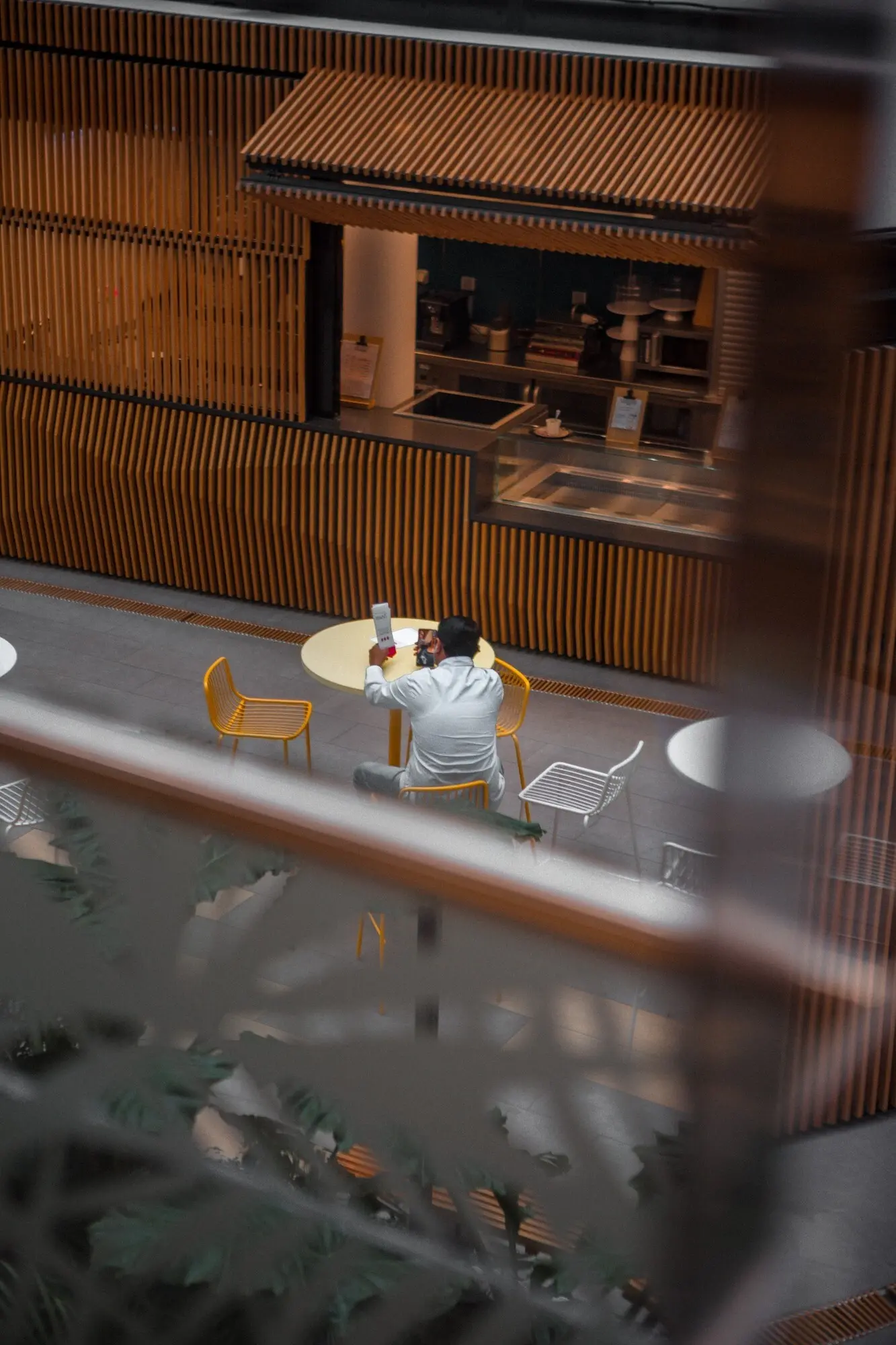
Build a gentle foundation with concealed coves, wall washing, and shaded pendants that diffuse rather than dazzle. Keep color temperature warm and consistent to flatter skin and surfaces. Avoid hot spots on ceilings; instead, let light roll across planes, creating a sense of volume without visible sources. Aim for even, low brightness that releases eye strain and invites slower breathing, making every room feel composed before any decorative layer even switches on.
Task with restraint
Deliver precision only where activity demands it: under‑cabinet lighting for a quiet kitchen glow, a focused reading beam beside a lounge chair, or a subtle mirror wash for grooming. Choose tighter beam angles, excellent glare control, and dimmable drivers. Light the task, not the entire room. When task lighting is respectful and targeted, you preserve the overall hush while still supporting comfort and function, allowing luxurious finishes to remain center stage rather than washed out.
Accents that whisper
Use delicate accents to add depth: a picture light that kisses artwork, a small uplight grazing a linen drape, or a hidden strip revealing the curve of a stair. Think in ounces, not pounds—accent levels should barely surpass the ambient base. By placing a few low‑luminance highlights, you guide the gaze and create layered intrigue. The effect feels curated yet effortless, like a secret only noticed when you pause and truly look.
Color Temperature and Quality that Flatter

Warmth that evolves through evening
High fidelity color, true materials
Consistency across sources
Architectural Integrations that Disappear
Coves and reveals
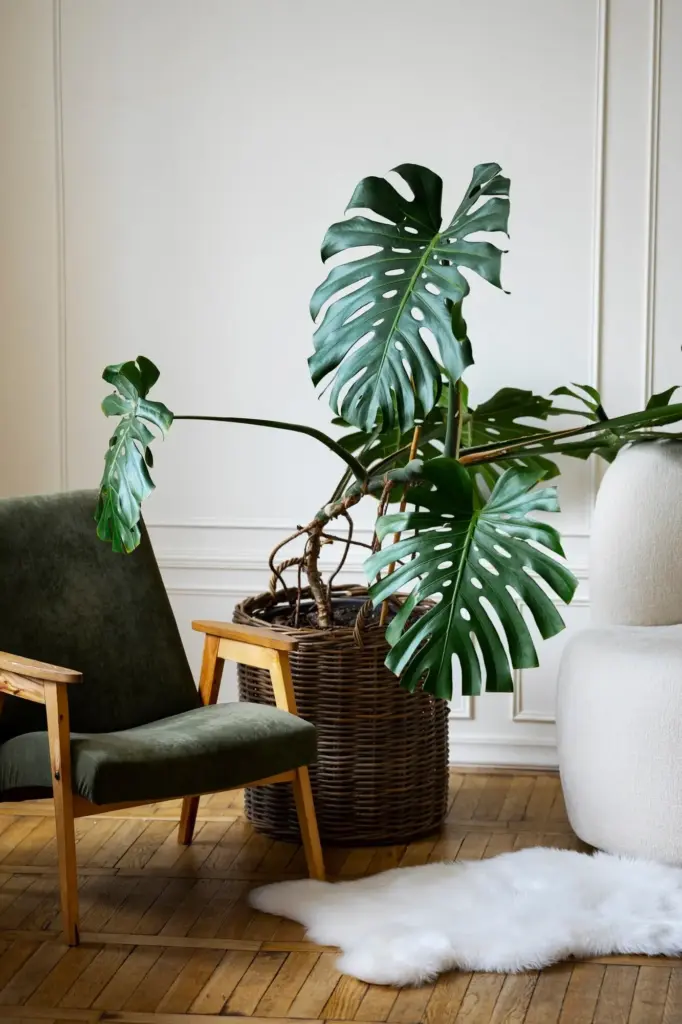
Grazing that honors texture

Glare Control and Visual Comfort
Recessed done right
Choose fixtures with deep set apertures and careful cutoff to hide the source at typical viewing angles. Black baffles and honeycomb louvers can further soften the view. Avoid excessive output; right‑sized lumens feel kinder and more intentional. Test sightlines seated and standing. When recessed lighting is genuinely quiet, you perceive glowing surfaces rather than dots in the ceiling, restoring the room’s calm rhythm and the sense that light simply belongs there.
Soft layers over glossy surfaces
Glossy stone, lacquer, and framed art can bounce harsh points of light. Replace bare lamps with opal diffusers, fabric shades, or layered reflection strategies that broaden sources. Aim for feathered edges and gentle vertical illumination to reduce sparkle. The reward is luxurious clarity without shine fatigue. As surfaces stop shouting, the space develops a velvety composure, making it easier to linger, read, dine, and talk without distraction or visual strain.
Reflections and sightlines
Before final placement, walk the room and study reflections in mirrors, glass doors, and framed pieces. Small shifts can erase a glare line entirely. Consider dimming hierarchy and beam shaping to protect art. Comfort is the benchmark: if the eye relaxes, the plan succeeds. This habit feels like hospitality for vision, demonstrating care that guests notice subconsciously as ease, poise, and a gratifying sense of intentional calm.
One Statement, Softly Spoken

Intuitive Controls and Scene Craft
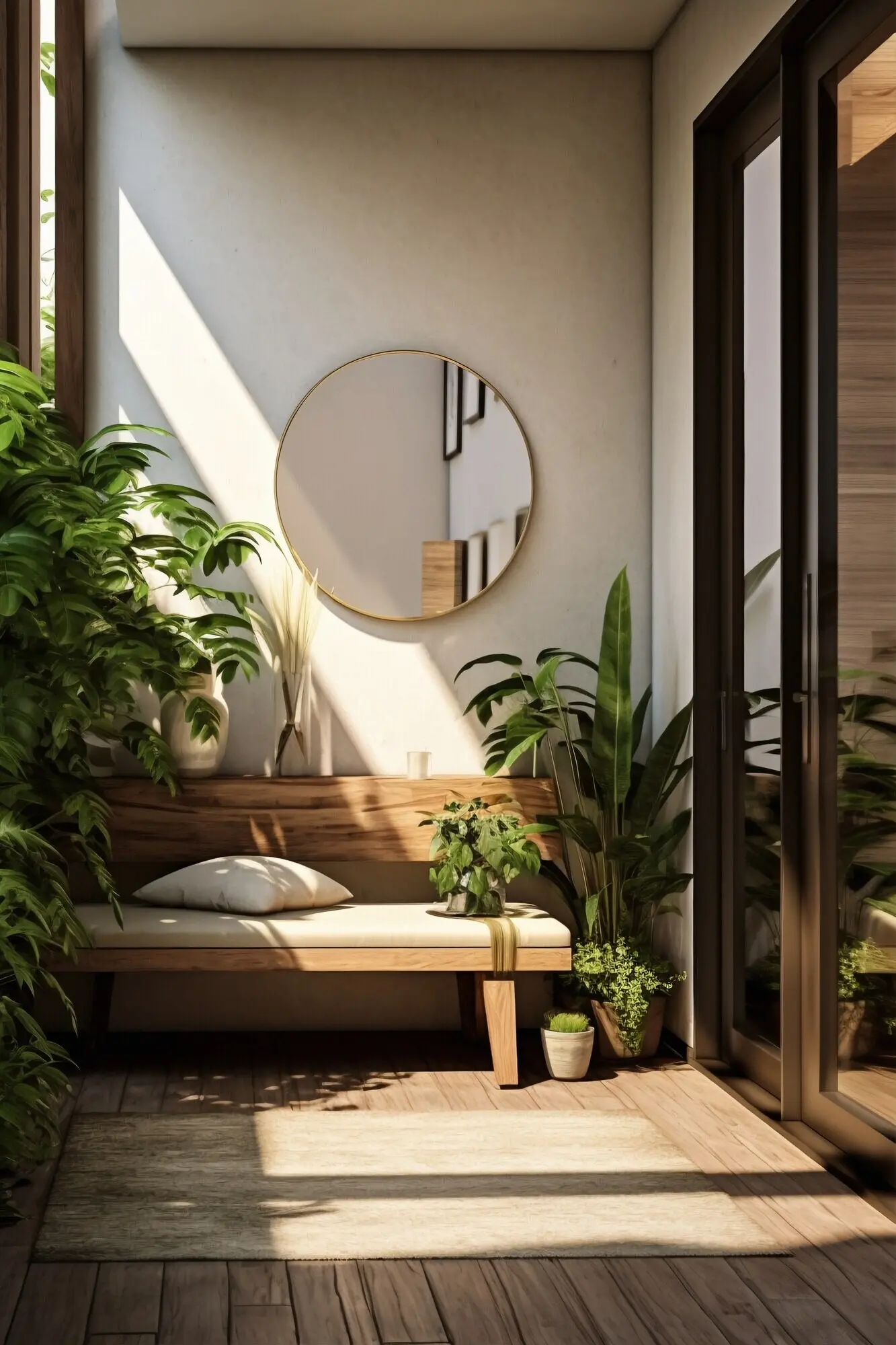
Final Flourishes: Candlelight, Fire, and Reflection